
What is a Clotting Panel Test?
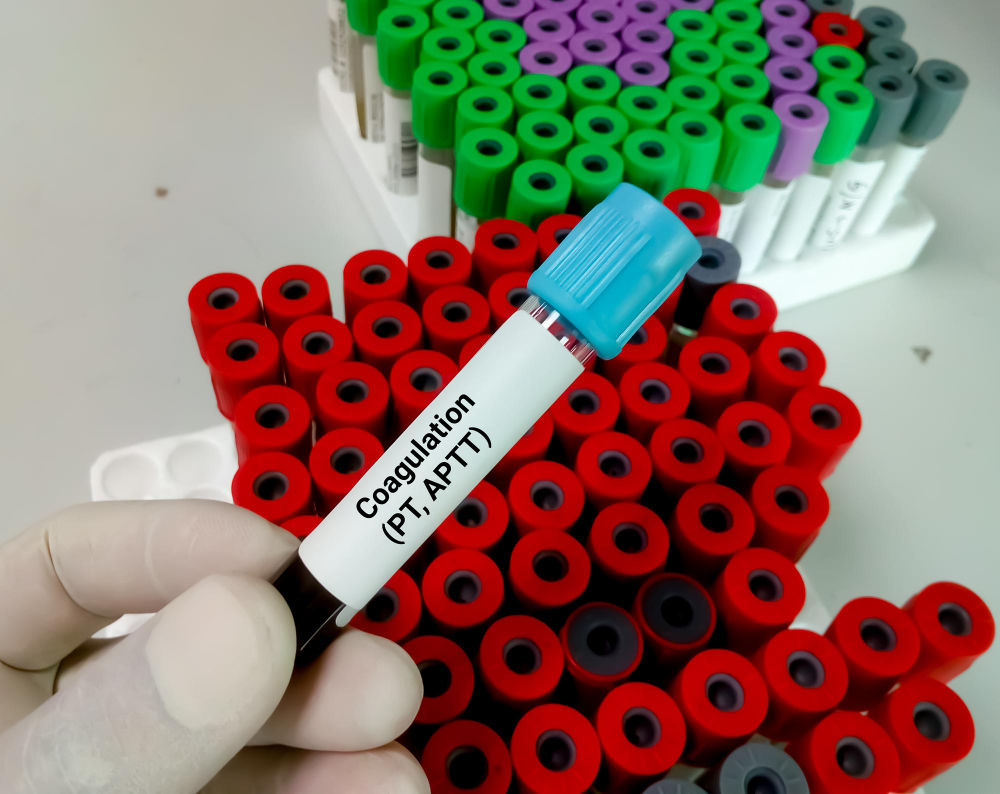
A clotting panel test is a blood test that checks how well your blood clots. Doctors also call it a coagulation panel or blood clotting test. This test measures different parts of your blood that help stop bleeding. Because blood needs to clot properly, this test is important for your health.
Why is a Clotting Panel Test Done?
Doctors order a clotting panel test for several reasons. For example, it helps find out if you have a clotting disorder. Sometimes, people bleed too much or form clots too easily. In these cases, the test can show what is wrong. Also, before surgery, doctors may check your blood’s ability to clot. This helps prevent problems during or after the procedure.
How is the Test Performed?
First, a healthcare worker cleans your arm. Then, they use a small needle to take a blood sample from a vein. The process is quick and usually takes just a few minutes. Afterward, your blood goes to a lab for testing. Because the test is simple, you can return to normal activities right away.
What Do the Results Mean?
The clotting panel test looks at several things in your blood. Some common parts measured include:
If your results are not normal, it may mean you have a clotting disorder. For example, your blood may clot too slowly or too quickly. However, only a doctor can give you a full clotting panel interpretation. Sometimes, more tests are needed to find the exact cause.
Common Symptoms and Reasons for Testing
Many people get a clotting panel test because of certain symptoms. For instance, you may need this test if you have:
Sometimes, family history or certain medicines also make this test important. If you notice any of these signs, talk to your doctor.
Preparation and Aftercare
Usually, you do not need special steps before a clotting panel test. However, your doctor may ask you to stop some medicines. For example, blood thinners can affect your results. Always follow your doctor’s instructions. After the test, you may have a small bruise. But most people feel fine and can go back to their day.
Risks and Limitations
The clotting panel test is safe for most people. Still, there are a few risks. For example, you might get a small bruise or feel dizzy. Rarely, infection can happen at the needle site. Also, the test may not find every problem with blood clotting. Sometimes, more tests are needed for a clear answer.
Prevention and Lifestyle Guidance
While you cannot always prevent clotting disorders, some steps may help. For instance, you can:
Because some clotting issues are genetic, regular check-ups are important. Early testing can help manage risks.
Conclusion
In summary, a clotting panel test checks how well your blood clots and helps identify and manage clotting disorders. At Punyaja Diagnostics, this test is commonly recommended if you have symptoms or require surgery to ensure proper clotting function. Early detection and management through a clotting panel test can prevent complications.
For any questions or concerns, consult a healthcare professional at Punyaja Diagnostics for personalised advice about clotting panel tests.