
What Are Iron Studies?
Iron studies are a group of blood tests that check how much iron is in your body. These tests help doctors see if you have too little or too much iron. Iron is important because your body needs it to make healthy red blood cells. Without enough iron, your body cannot carry oxygen well. With too much iron, your organs can get damaged. Because of this, iron studies are key for checking your health.
Why Are Iron Studies Important?
Iron studies are important for many reasons. First, they help find out if you have iron deficiency or iron overload. Both conditions can cause health problems. For example, iron deficiency can lead to tiredness and weakness. On the other hand, too much iron can harm your heart and liver. Therefore, these tests help your doctor decide if you need treatment or lifestyle changes. Also, iron studies can help track your progress if you are already getting treatment.
Common Symptoms and Conditions Leading to Iron Studies
Doctors may order iron studies if you have certain symptoms or health problems. Some common reasons include:
Because these symptoms can have many causes, iron studies help find out if iron is the problem.
Types of Iron Studies Tests
Iron studies include several blood tests. Each test gives different information about your iron levels. The main tests are:
Together, these tests give a full picture of your iron health. For example, low ferritin often means low iron stores, while high ferritin can mean too much iron or inflammation.
How Iron Studies Are Performed
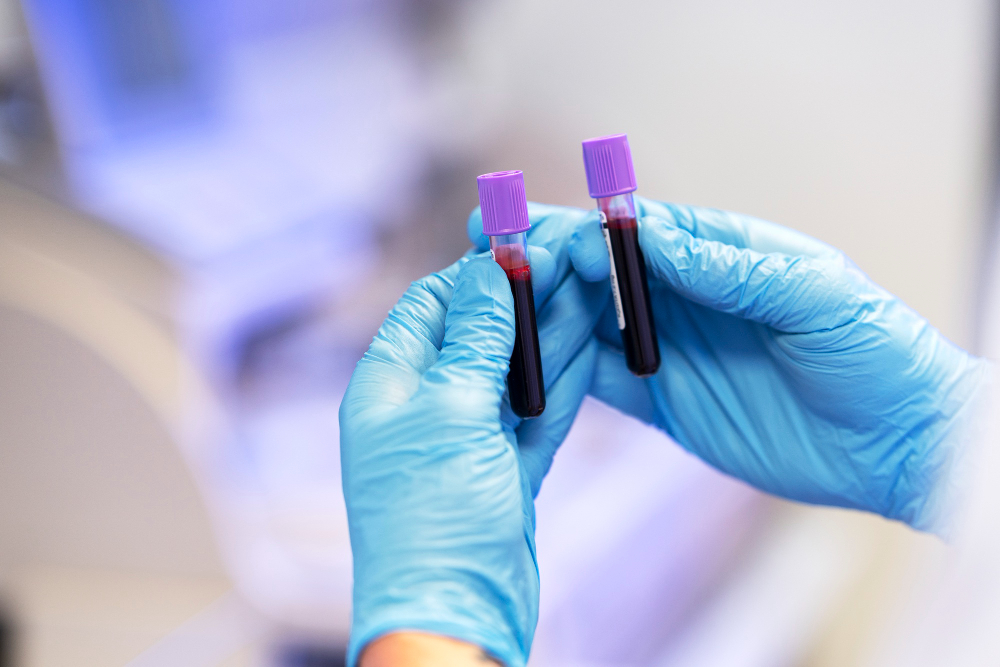
Iron studies are simple blood tests. First, a nurse or technician will take a small sample of blood from your arm. Next, the sample goes to a lab for testing. Usually, you do not need to fast before the test, but your doctor may give you special instructions. The process is quick and safe. Afterward, you can return to your normal activities.
How to Interpret Iron Studies Results
Understanding iron test results can seem hard, but here are some basics:
Normal iron levels in blood can vary by age and gender. Because of this, your doctor will explain what your results mean for you. If your results are not normal, your doctor may order more tests or suggest treatment.
Treatment and Lifestyle Guidance Based on Results
If your iron studies show low iron, your doctor may suggest:
On the other hand, if you have too much iron, your doctor may recommend:
Always follow your doctor’s advice for the best results.
Prevention Tips for Iron Deficiency and Overload
There are simple steps you can take to keep your iron levels healthy:
Because prevention is easier than treatment, these tips can help you stay healthy.
Conclusion
Iron studies are important tests that help check your iron health. They can find problems early and guide treatment. If you have symptoms or concerns about your iron levels, consult Punyaja Diagnostic for personalized advice on iron studies and your health. Our expert team is here to provide accurate results and guide you towards optimal health.